
When Helping Hurts, Part Two
It's our second year gardening at our new home, and this year I decided to also grow cut flowers for the arrangements I love to make for our kitchen.
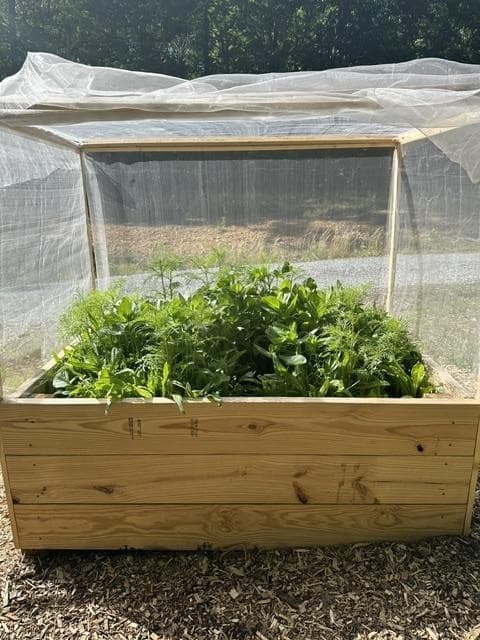
We were warned that deer, birds and other wildlife might see the flowers or their leaves as yummy food. My clever husband came up with a creative solution. He built a raised bed with extra tall posts and wrapped it in mesh, allowing sunlight and water in while keeping hungry visitors out. And I had a way to access the inside from the front or the back.
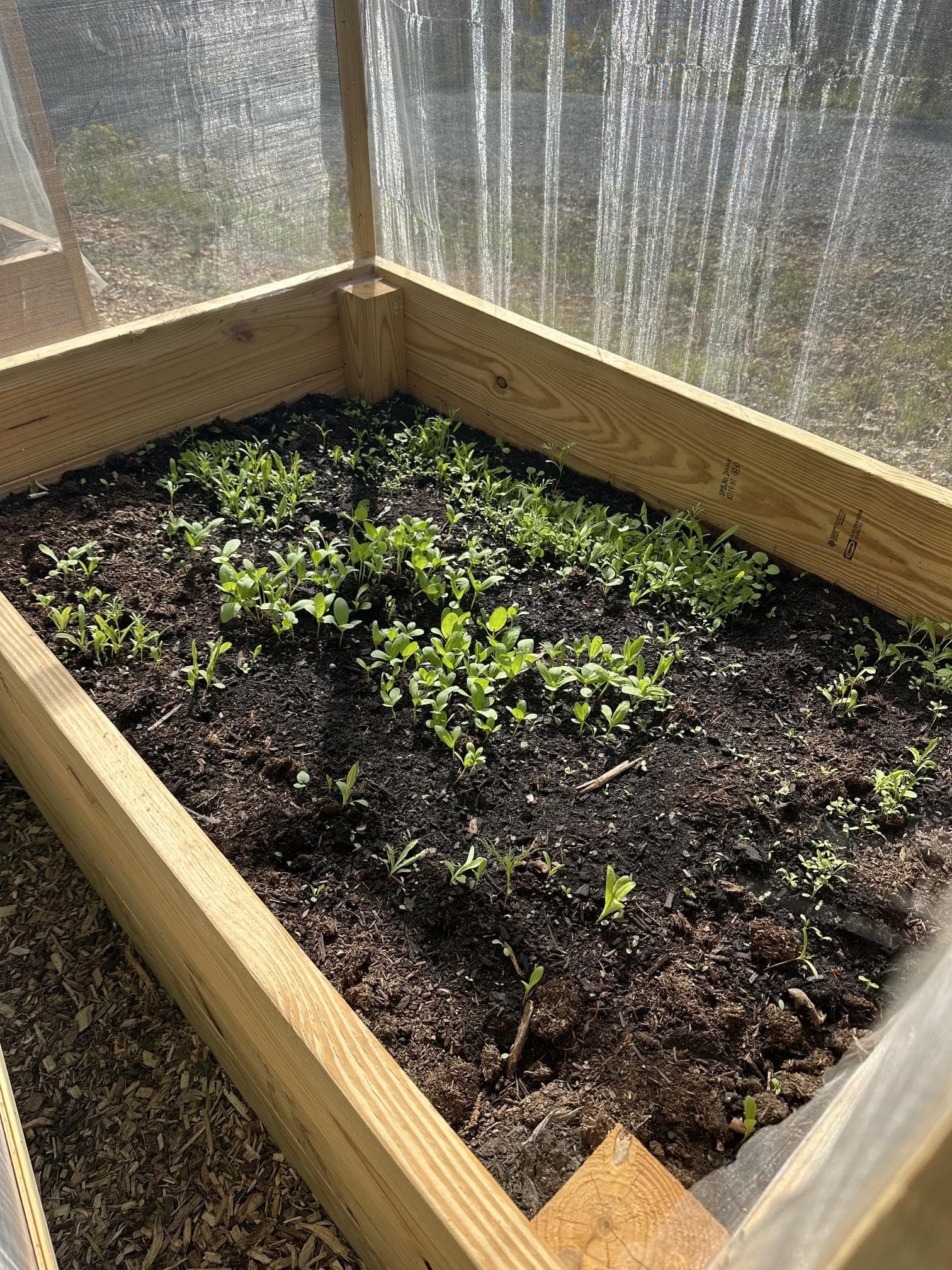
It worked beautifully—or so we thought.
The flowers grew and grew.
What I didn't realize was that I had planted far too many seeds. Instead of having room to spread out and develop, they became overcrowded. With nowhere to grow outward, they grew upward. Tall. Thin. And ... dependent.
As the flowers grew, they leaned against each other, and the ones on the outer edges began to press against the mesh walls. Some eventually reached the mesh ceiling. The stems began growing sideways because they couldn't grow any higher.
Until then, I had admired how tall and vigorous they had grown. I never considered that the very structure protecting them might also be limiting them.
I decided to get a closer look at the overcrowding one day. When I opened the rear panel I had never accessed before, the flowers along that edge immediately collapsed outward. The ones leaning on those fell over sideways, too.
They couldn't stand on their own. Their stems had never developed the strength they were created to have because the mesh sides and the wall-to-wall neighbors had always been there to support them. What looked like healthy growth was actually dependence.
Those initial tiny seeds contained everything they needed to become strong, upright plants. But because they had constant external support, they never fully developed their abilities.
The flowers couldn't become what they were designed to be because of the constraints we built around them thinking we were helping.
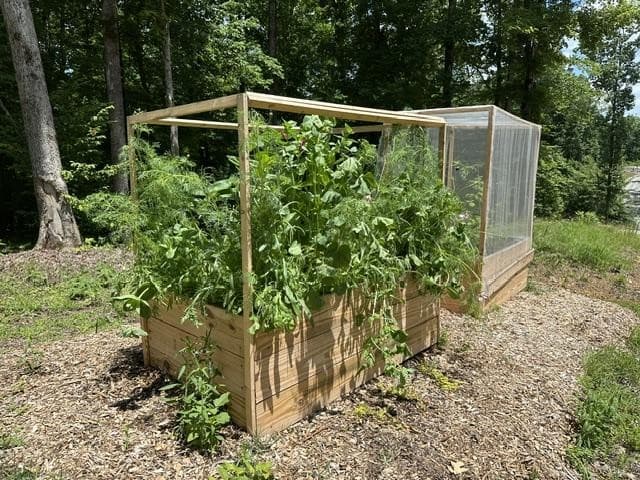
For some of them to have any chance of flourishing, I had to take drastic measures.
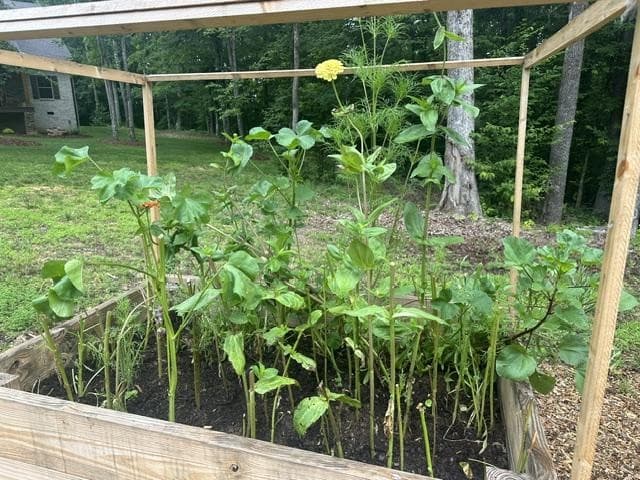
I cut away the mesh. I significantly thinned the overcrowded bed. I transplanted some, chopping them way down so they could grow again, this time learning to support themselves. I pulled others completely and tossed them aside, otherwise I’d have been digging and planting flower roots for days.
What was left in the container looked harsh at first, but the alternative was continuing to let them live dependent on supports that were preventing them from growing strong. After just ten days, the stems were much stronger and starting to bloom.
As I reflected on how helpless we had made those flowers, I couldn't help but think about people and how we sometimes accidentally impair the people we love the most.
Like flowers, we all inherently have what we need in order to grow. Yet acting as well-meaning parents, grandparents, spouses, friends, and other helpers, we can sometimes provide so much protection, rescue, and support that we unintentionally interfere with the development of confidence, resilience, and self-sufficiency.
We call it helping. We consider it love.
Sometimes it's actually hindering.
When we continually do for others what they are capable of learning to do for themselves, we create a false sense of security. We teach dependence rather than competence.
We become the mesh wall holding them up, inhibiting their ability to succeed.
If the support is removed, our loved one may struggle to stand because they haven't had the opportunity to develop the inner strength to do so, even though it has been there all along.
The transition to independence at this point can be difficult. There may be setbacks. There may be some hard lessons. Growth requires the freedom to learn through experience and be able to make mistakes. But they aren’t the only ones who have to adjust.
Creating this type of dependency in loved ones is complex. While often unintentional, it can be hard to stop “helping,” or to even acknowledge that our good intentions may be holding someone back.
As helpers, we have a choice. We can continue providing support that keeps someone dependent, or we can allow them (and us) the discomfort that often accompanies growth.
Real love isn't always rescuing.
Sometimes real love is stepping back.
Maybe the best support is allowing someone to struggle, trusting they are capable of becoming who they are meant to be when given the space, choice, need and freedom to do so.
I decided to make some hard cuts while there was still time for enough of the flowers to learn to stand tall and bloom—a temporary setback for a solid path forward.
And that's my prayer today, not only for my flowers, but for the people we love and perhaps have helped too much:
Dear God,
Help us recognize where our helping may actually be hurting.
Help us release our "need to be needed" when it harms others.
Help us trust others enough to let them learn, grow, stumble, adapt, and become strong on their own.
Amen.
For today, we must remember that helping isn't always helping.
Sometimes the greatest gift we can give is the dignity of allowing someone to grow the way they were made to grow—and at their own pace.
In case you missed my last FTG newsletter, When Helping May Be Harming is part one of this topic.
Does today's meditation resonate with you? Please share your voice in our FTG Readers Group on Facebook. Your hopes, thoughts and dreams matter to me.


